What Are the Big Five Animals in Kenya?
The Big Five is a term from colonial hunting. It means the five hardest animals to track on foot: lion, leopard, elephant, buffalo, and rhino. Today, it means the top sights on any Kenyan safari. This big five safari guide for Malayalam speakers explains exactly where to see each one, and how to plan the trip from India or Kerala. For a broader look at the Big Five across the country, see our Big Five Kenya overview.
Kenya is one of the few countries where you can realistically see all five in one trip. The smarter approach is to combine two or three parks or conservancies.
Where Can I See All the Big Five in One Safari in Kenya?
Only a few places offer a realistic chance of all five on one game drive. The Masai Mara is one. Lake Nakuru is another, but rhino viewing there has dropped in recent years. Ol Pejeta Conservancy, on Laikipia Plateau, is the most reliable spot for rhino, especially the endangered black rhino.
For a single-park trip, the Masai Mara is your best bet. But note that leopard sightings are never guaranteed. They are shy and often hidden in trees. Buffalo and elephant are common. Lion prides are visible on most full days. Rhino are present but rare. You might see one, you might not.
A better strategy is to combine the Mara with Ol Pejeta. Add Amboseli for large elephant herds with Mount Kilimanjaro behind them. That combination gives you the highest chance of seeing all five on one trip.
Which Kenya National Park Has All Five Big Five Animals?
The Masai Mara has all five, but rhino numbers are low. You might spend two days searching and see none. The Mara covers roughly 1,500 square kilometers.
Ol Pejeta is smaller and fenced. It holds a large population of black rhino and the last two northern white rhino on Earth. You are likely to see black rhino there.
For a national park rather than a conservancy, Lake Nakuru used to be the rhino hotspot. It still has rhino, but the population has fallen. Aberdare National Park also has rhino, but thick forest makes sightings hard.
Is It Easy to Spot Rhino in Kenya?
No. Rhino are the hardest of the Big Five to see anywhere. They are solitary, wide-ranging, and often rest in thick bush during the heat of the day. Unlike lions or elephants, they do not gather in large groups.
Your best bet is a fenced sanctuary like Ol Pejeta or Lewa Conservancy. In these places, rangers track rhino daily. Ol Pejeta offers night drives at some lodges, which improves your odds.
In the Masai Mara, rhino are present but your chances are low. Do not plan a trip to the Mara expecting to tick the rhino box. Instead, add two nights at a conservancy to your itinerary.
What Is the Best Time of Year for Big Five Sightings?
The dry season is best. That runs from late June to October. Grass is short, so animals are easier to see. This is also the time of the Great Migration, when over a million wildebeest cross from Tanzania.
The short dry season from January to February is also good. It is less crowded, with many cats raising young cubs.
The wet seasons are April to May and November to December. Rain makes grass tall and animals spread out. However, rates are lower, and birdlife is abundant.
Rhino viewing is not seasonal. It depends on the sanctuary, not the rains. Ol Pejeta and Lewa give good views year round.
Is Masai Mara or Amboseli Better for Big Five Sightings?
This is a question we hear often from Malayalam-speaking travelers. The answer depends on which animals matter most to you.
The Masai Mara is better for lion, leopard, and buffalo. The open plains support large herds of prey, and lion prides are large. Leopard sightings are more common here than in Amboseli, especially in the riverine forests.
Amboseli is better for elephant, not for the full Big Five. The park is known for its giant tusker elephants. You will see many in a day. But leopard are rarely seen, and rhino are almost absent. You cannot see all five in Amboseli.
For a focused trip, pair the Mara with Ol Pejeta. If you want elephant photos with Kilimanjaro, add a short stay in Amboseli. Our Masai Mara versus Amboseli comparison walks through the trade-offs park by park.
How Many Days Do You Need for a Big Five Safari?
Plan for at least five game drive days. A common pattern is:
- 3 nights in the Masai Mara
- 2 nights at Ol Pejeta
- (Optional) 2 nights in Amboseli
That gives you six to eight game drives in different habitats. You will likely see lion, leopard, elephant, and buffalo in the Mara, plus black rhino at Ol Pejeta.
A typical itinerary from India lasts 7 to 10 days, including flights.
What Is the Difference Between a National Park and a Private Conservancy?
This matters for Big Five viewing, especially rhino.
National parks are public land. Driving is restricted to marked roads.
Private conservancies like Ol Pejeta, Lewa, and the Mara conservancies are community or privately managed. They allow night drives and walking safaris. Vehicles can go off-road to show you a leopard in a bush.
For rhino, conservancies are essential. They provide anti-poaching patrols and sanctuary fencing. A national park like Nakuru offers some of this, but the fenced conservancies are more reliable for sightings.
How Do You Use This Big Five Safari Guide for Malayalam Speakers to Plan From Kerala or India?
This big five safari guide for Malayalam speakers would not be complete without practical travel details. Here is what you need to know.
Do Indian Citizens Need a Visa or eTA for Kenya?
Yes. Kenya moved from a visa to an electronic travel authorization, or eTA. You apply online before departure. The standard fee is around $30 for most nationalities. Fees can change, so confirm the current amount on the official Kenya eTA site before you apply. Apply at least two weeks in advance.
The eTA requires a passport valid for six months, a return ticket, hotel bookings, and proof of sufficient funds.
Is Yellow Fever Vaccination Compulsory for Kenya From India?
Usually not, if you are flying directly from India. Kenya asks for a yellow fever certificate only from travelers arriving from a country with risk of yellow fever transmission. India is not currently on that list. A stopover in a country with yellow fever risk can change this, so check your exact routing before you fly.
Requirements can shift, so confirm the current rule on the official Kenya eTA site or with the Kenyan High Commission before you travel. The certificate requirement more often runs the other way. India asks travelers arriving from Kenya and other at-risk countries to show proof of yellow fever vaccination.
If your trip also includes other African countries before or after Kenya, get vaccinated anyway and carry the certificate. It must be issued at least 10 days before travel. Malaria tablets are not mandatory but strongly recommended for safari regions, including the Masai Mara. Consult your doctor.
Are There Direct Flights to Kenya From Kerala or South India?
There are no direct flights from Kochi or other South Indian cities to Nairobi. You will connect through Dubai, Doha, Abu Dhabi, or Mumbai.
Emirates flies Dubai to Nairobi several times daily. Qatar Airways flies via Doha. Air India connects through Mumbai on some days. From Kochi, a typical route is Kochi to Dubai, then Dubai to Nairobi. Combined flight time is around 8 to 10 hours, and total journey time is longer once you add the layover.
How Much Does a Big Five Safari Cost for Indian Travelers?
Prices vary widely by season, lodge class, and number of days. Here is an indicative range for a 7 day safari including flights and park fees.
| Safari Type | Price per Person, Indicative Range | What You Get |
|---|---|---|
| Budget camping | ₹90,000 to ₹1,50,000 | Shared tents, basic meals, shared game drives |
| Mid-range lodges | ₹1,80,000 to ₹3,00,000 | Private rooms, en suite bathrooms, group drives in 4×4 |
| Luxury conservancies | ₹3,50,000 to ₹6,00,000 | Private guides, off-road driving, night drives, all meals |
Prices are for the whole trip, including flights, eTA, park fees, and accommodation. They assume two people sharing. Peak season (July to October) costs more.
For a detailed breakdown, read our guide to Kenya safari costs in rupees.
Is Kenya Safe for Families and Children on Safari?
Yes, with normal precautions. Kenyan safari lodges and conservancies have good safety records. Children enjoy wildlife at close range, and game drives are family friendly.
Keep these rules simple: stay inside the vehicle, never stand up during a drive, and listen to the guide. At lodges, walk with a ranger after dark. This is the standard protocol across safari parks.
What Animal Behavior Should I Know Before the Trip?
Understanding behavior makes your safari better.
Lion
Lions live in prides of 10 to 20 individuals. Females do the hunting. Males guard territory.
Leopard
Leopards are solitary and elusive. They drag kills up trees to avoid hyenas and lions. Your guide will listen for alarm calls from monkeys and birds and watch the branches.
Elephant
Elephant herds are matriarchal. The oldest female leads. Mothers and aunts raise the young together. Male elephants leave the herd as teenagers.
Buffalo
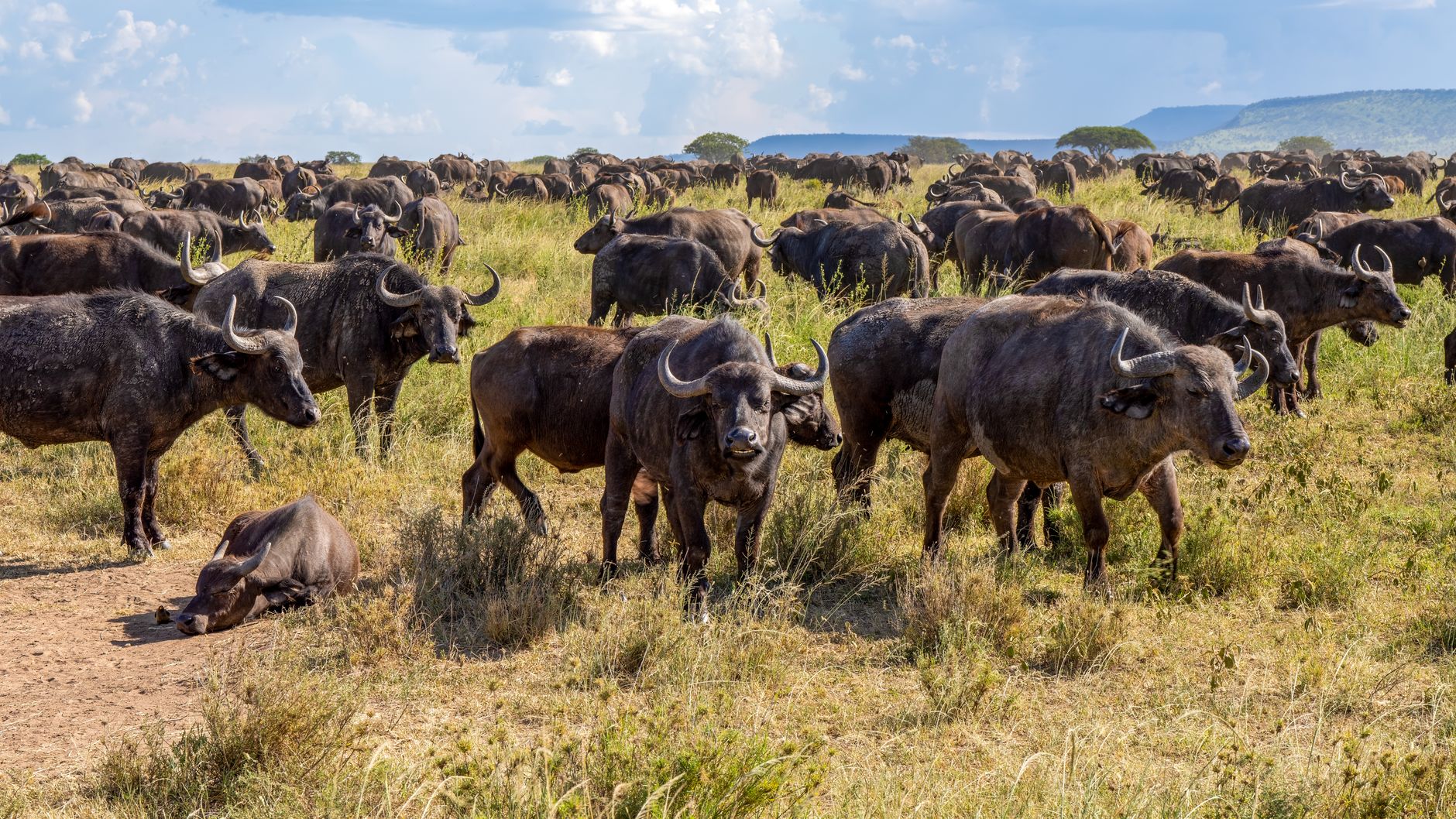
Buffalo move in large herds of hundreds. They are herbivores but can be aggressive if surprised. Always keep a safe distance from old bulls. They are the one Big Five species most likely to charge a vehicle.
Rhino
Black rhino are solitary. White rhino live in small groups. In Kenya, you will mostly see black rhino at Ol Pejeta and Lewa. They are browsers, eating leaves from bushes, not grass like white rhino. They are more active at dawn and dusk.
What Is the Conservation Status of Black and White Rhino?
Do not confuse the two species. The main differences are:
- Black rhino: pointed upper lip, browser, solitary, critically endangered
- White rhino: square upper lip, grazer, social, near threatened
Ol Pejeta is known for housing the last two northern white rhino on Earth, a subspecies of white rhino. They are under 24 hour armed guard. You can see them, but only from a look out point.
Southern white rhino live in Kenya in small numbers. Black rhino are the ones you are more likely to see on safari. See the “Is It Easy to Spot Rhino in Kenya?” section above for exactly where to look.
How Can I Book a Big Five Safari?
Planning a safari is easy once you know the parks and the season. You have done that part. Now you need to compare operators.
The most reliable way is to use a booking platform that compares different safari companies.
Browse packages on FindMySafari or compare operators on Trunktrails Safaris. You can also look at Valley Safaris for family oriented itineraries.
Compare at least three options before deciding. Check what is included: park fees, meals, transport, and flight from Nairobi.
Where Can I Find More Safari Planning Resources?
- Ol Pejeta Conservancy guide from Trunktrails Safaris
- Ol Pejeta and Sweetwaters safari package from Valley Safaris
- Big Five safari collection on FindMySafari
- Masai Mara Great Migration guide from Trunktrails Safaris